

SnapJiff
Not everything needs to be a team-building exercise. Some of the strongest connections happen when there's no agenda, no facilitator, and no one keeping track of time. The best group activities work just as well at a backyard barbecue as they do in a conference room.
Why Shared Experiences Matter
Psychologists have a term for it: co-regulation. When people engage in a shared activity — laughing at the same moment, solving a problem together, reacting to a surprise — their nervous systems synchronize. Stress levels drop. Trust builds. And it happens faster than any amount of small talk could achieve.
This isn't limited to workplaces. Friend groups, families, neighbors, and community organizations all benefit from structured-but-casual shared moments.
What Makes a Great Social Activity
The best non-work group activities share a few key traits:
1. Low Barrier to Entry
Nobody wants to read instructions or download an app before the excitement starts. The moment someone says "okay, first everyone needs to create an account," you've lost half the group. Great activities are intuitive enough that a five-year-old and a grandparent can both jump in.
2. Short and Repeatable
Marathon board sessions have their place, but quick-fire activities generate more energy. A two-minute challenge that makes everyone laugh is worth more than a two-hour commitment that half the group quietly dreads.
3. Naturally Social
The activity should create conversation, not replace it. The best ones generate stories — "remember when Dad guessed 10,000?" or "I can't believe you got that right." Those shared memories become the fabric of relationships.
4. No Winners or Losers (Or Everyone's Both)
Competitive activities are fine, but the stakes should be low enough that losing is funny rather than frustrating. When the whole group can laugh at the results together, everyone wins.
Ideas for Every Setting
Family Gatherings
Family dinners and holiday get-togethers often fall into the same patterns — the kids disappear to their screens while the adults run out of things to talk about. A quick group challenge breaks that pattern instantly.
- Estimation rounds: "How many steps did Grandma walk today?" Everyone guesses, and the reveal sparks genuine surprise and conversation
- Photo hunts: "Everyone find something in this house that's older than you" — works across all ages and gets people moving
- Rapid-fire polls: Simple this-or-that questions reveal surprising things about people you thought you knew everything about
Friend Groups
Whether it's a dinner party, a camping trip, or just a quiet evening in, friends benefit from activities that create shared moments rather than just shared space.
- Group challenges with a timer: The time pressure creates camaraderie and the results create inside jokes
- Collaborative guessing: Everyone contributes to the same goal, so there's no pressure on any individual
- Quick creative prompts: "Draw this in 30 seconds" or "describe this in three words" — the worse you are at it, the funnier it gets
Community Events
Block parties, church groups, club meetings, and neighborhood gatherings all face the same challenge: getting people who don't know each other well to actually interact.
- Simultaneous participation: When everyone answers at the same time, nobody has to be the first to speak up
- Universal topics: Questions about everyday life ("How long is your commute?" or "How many cups of coffee did you drink today?") work better than niche knowledge
- Visual reveals: Showing everyone's answers at once creates an instant moment of connection and surprise
The Phone Paradox
Here's an interesting tension: phones are often blamed for killing social interaction, but they can also be the easiest way to include everyone in a shared activity. The key difference is whether people are staring at their phones individually or using them to participate in something together.
A group activity on phones where everyone's engaged with each other is fundamentally different from everyone silently scrolling their own feeds. The device is the same — the experience is completely different.
Making It a Habit
The biggest mistake with group activities is treating them as special occasions. You don't need a reason. You don't need to plan ahead. The best approach is making it a natural part of how your group spends time together.
Keep a few go-to activities in your back pocket. When there's a lull in conversation, when the energy dips after dinner, when you're waiting for someone to arrive — that's the moment. Two minutes of shared laughter can shift the entire mood of an evening.
It's About Connection, Not Entertainment
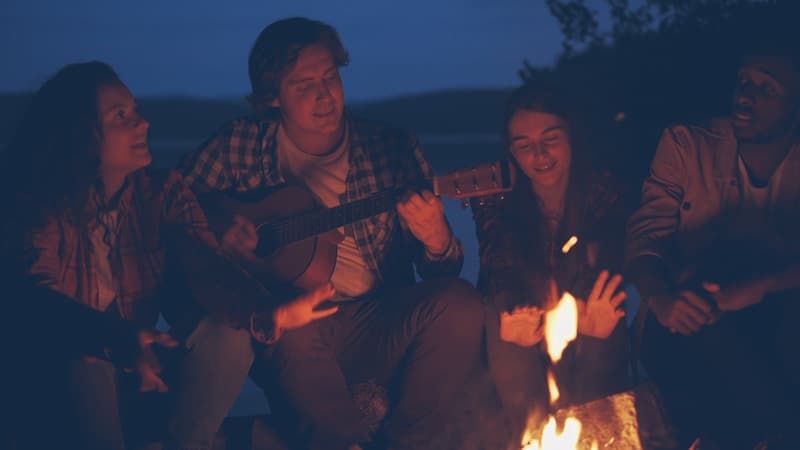
The point was never to fill time or avoid awkward silences. It's that human beings are wired to bond through shared experiences. We've been doing it around campfires for thousands of years. The format has changed, but the need hasn't.
The groups that thrive — whether families, friend circles, or communities — are the ones that regularly create small moments of genuine, shared joy. No agenda required.